Arizona Diamondbacks 2026 Season Profile: Strengths, Weaknesses & Betting Angles
Updated July 30, 2026 · 8:00 AM EDT
Season Overview
The Arizona Diamondbacks find themselves in a precarious middle position heading into the stretch run of 2026. Sitting at 57-52 with a .523 winning percentage, they occupy third place in the NL West, 11.5 games behind the division leader. While they're not mathematically eliminated from postseason contention, their path to the playoffs remains narrow and dependent on both their own performance and significant help from the Wild Card picture. The team has constructed a relatively balanced roster that leans slightly toward offensive production, though neither side of the ball has truly distinguished itself at an elite level this season. Recent momentum—a 6-4 record over their last ten games and a current two-game winning streak—suggests the Diamondbacks may be finding their footing at a critical juncture, but consistency has been elusive throughout the campaign.
Offensive Analysis
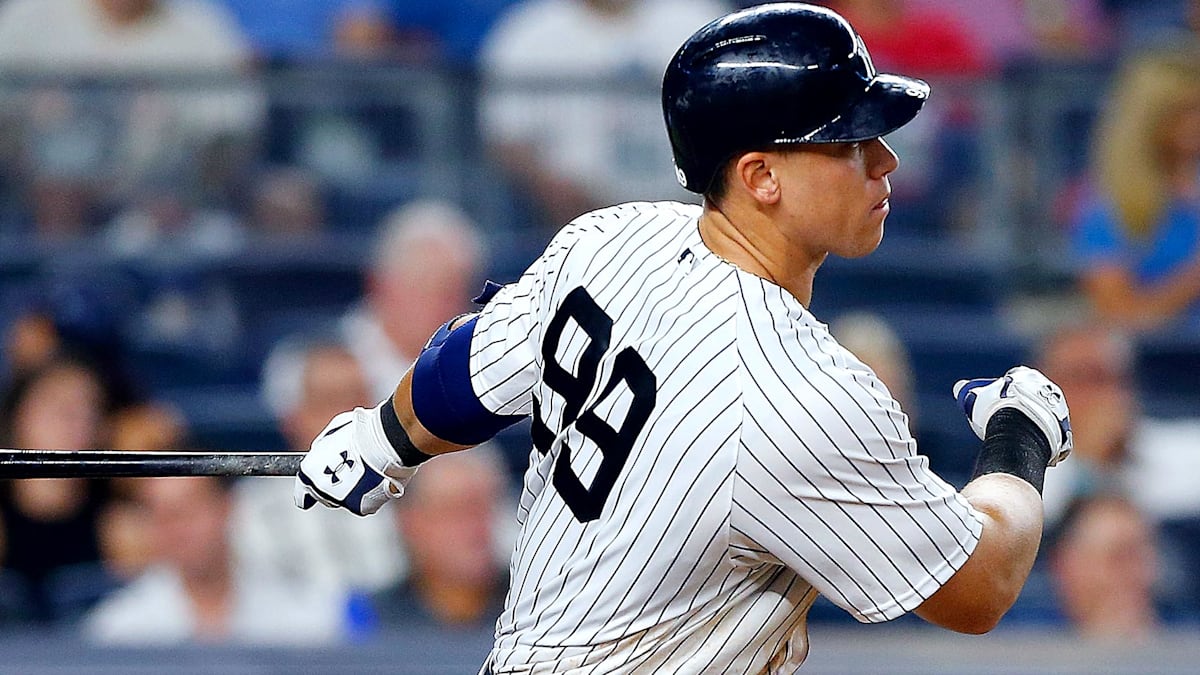
The Arizona Diamondbacks offense has been a study in mediocrity, posting a .242 batting average and .706 OPS that rank well below league standards. Their run production of 4.51 runs per game reflects this offensive struggle, and the team has accumulated just 104 home runs through 109 games—a pace that will likely finish below 150 for the full season. The inability to generate consistent power and contact has been a recurring theme.
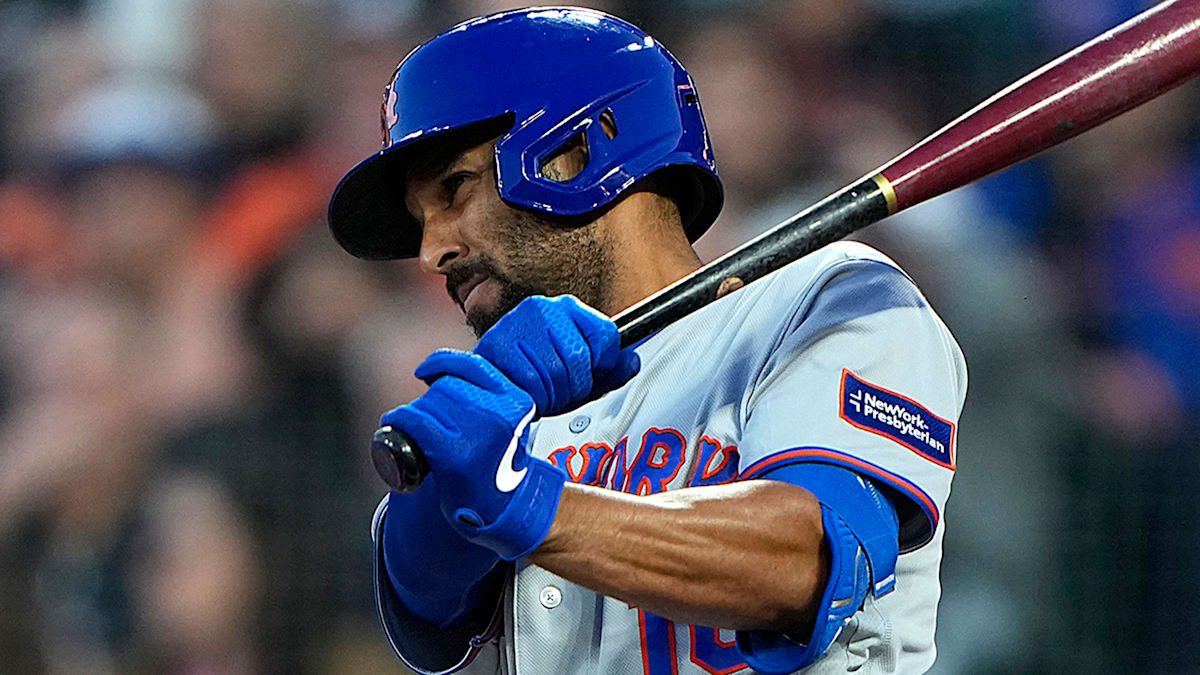
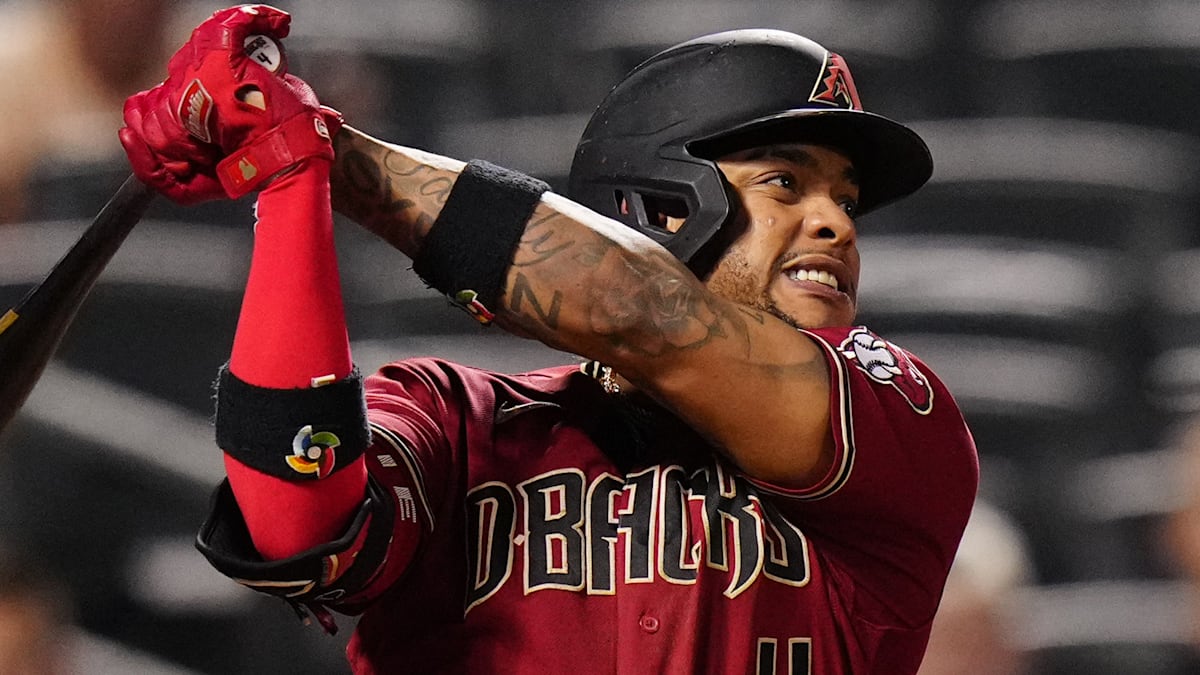
However, the offense does possess three notable bright spots anchoring the lineup. Corbin Carroll leads the way with an impressive .827 OPS, providing the team with a legitimate top-tier offensive weapon when healthy and productive. Ketel Marte contributes a .758 OPS, offering secondary production and offensive stability. Nolan Arenado rounds out the trio with a .742 OPS, though his overall contribution has been slightly diminished compared to his peak years. These three represent the team's best hope for generating offensive momentum, but the dropoff in production beyond this trio has been steep. The club's .313 on-base percentage and .393 slugging percentage suggest a lineup lacking depth and the ability to manufacture runs through speed or advanced baserunning. This offensive profile makes the Diamondbacks vulnerable to quality pitching and limits their margin for error in close contests.
Pitching Analysis
The pitching staff presents a bifurcated picture: one genuine strength and one significant weakness. Eduardo Rodriguez has been the ace Arizona desperately needed, posting a stellar 2.48 ERA that ranks among the league's best. His ability to keep opposing hitters off-balance and limit damage has been invaluable and provides a genuine foundation for playoff-caliber pitching. Unfortunately, the rotation falters considerably beyond Rodriguez. Merrill Kelly's 4.86 ERA indicates a pitcher struggling to find consistency, and the broader staff ERA of 4.20 suggests the Diamondbacks are getting only average results from most of their arms.
The team's 1.29 WHIP is respectable but not dominant, and a strikeout rate of 6.86 K/9 reveals a staff that isn't generating the swing-and-miss stuff needed to dominate in high-leverage situations. Holding opposing batters to a .253 average is a positive mark, but the overall ERA and peripheral metrics suggest the pitching staff is performing at a league-average level with one standout exception. This creates a scenario where the Diamondbacks are heavily dependent on Rodriguez performing at an elite level, which increases their vulnerability to injury or regression.
Recent Form
The Arizona Diamondbacks have shown signs of life recently, compiling a 6-4 record over their last ten games and riding a two-game winning streak into the latter stages of the season. This uptick in performance comes at an opportune moment and suggests the team may be peaking at the right time. However, it's important to contextualize this streak within the broader body of work; the Diamondbacks have been inconsistent throughout the season, and short-term hot streaks don't necessarily indicate sustained competence. The question is whether this represents a genuine shift in team chemistry and execution or merely noise in a mediocre season.
Betting Angle
The Diamondbacks present a classic fade candidate for favorites but could offer value as underdogs. Their .523 winning percentage doesn't support laying significant chalk, especially given their offensive limitations and reliance on a single elite pitcher. Conversely, when the team is positioned as an underdog—particularly at home, where they may have slightly better execution and familiarity—there could be contrarian value. The team's home/away splits aren't explicitly detailed in the data, but their overall mediocrity suggests they're not a particularly strong home team that can exploit park advantages. Bettors should exercise caution with Arizona as favorites but remain open to selective underdog opportunities, particularly if Rodriguez is scheduled to pitch.
Injury Impact
The presence of six players currently on the injured list is a notable concern for the Diamondbacks. In a season where depth has already been questioned and production beyond the top three hitters is inconsistent, losing six roster contributors further strains an already thin roster. This injury toll likely explains some of the offensive inconsistency and could be depressing overall performance metrics.
Rest of Season Outlook
For the Arizona Diamondbacks to reach their ceiling and make a playoff push, three things must occur: Corbin Carroll, Ketel Marte, and Nolan Arenado must maintain their offensive contributions and ideally elevate production; Eduardo Rodriguez must remain healthy and continue his elite pitching; and the supporting cast must generate more consistent offensive output. Conversely, if injuries mount, Rodriguez falters, or the three core hitters regress, the floor is a 70-win season and a comfortable miss from playoff contention. The next month will be telling.